


Distraction materials for children in the hospital: how they can help during treatments
Author: Tanja Damhof
Webshop owner and mother
When children have to undergo treatment in the hospital, it can be difficult to distract them or keep them relaxed. This can be a stressful time for both the child and the parents. That's why I have specially developed hospital sets with distraction and relaxation materials for patients in the pediatric ward or pediatric outpatient clinic of the hospital. In this blog, you can read how these sets can help children express their feelings and relax while being distracted during treatments.
Contents and purpose of a distraction set
Sometimes the power lies in something small that gently shifts attention.
The basic set contains two essential tools: the magic wand and the balance finger bird. Both support in different ways during tense moments, such as an injection or medical procedure.
The magic wand acts as a visual focal point. As the stars and glitter slowly slide down, the eye automatically follows the movement. This calm, predictable flow helps to calm the nervous system. By shifting focus to what the eye sees, tension in the body is reduced. It is a low-threshold visual distraction tool that can provide a sense of safety and control.
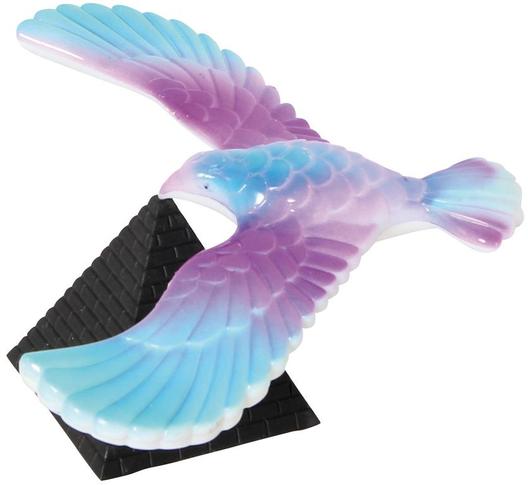
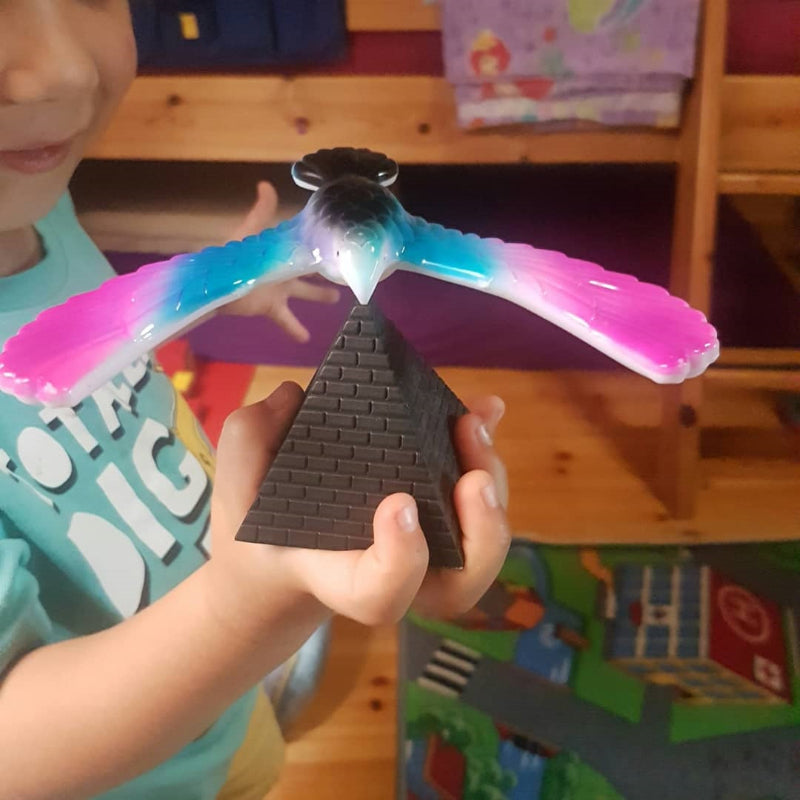
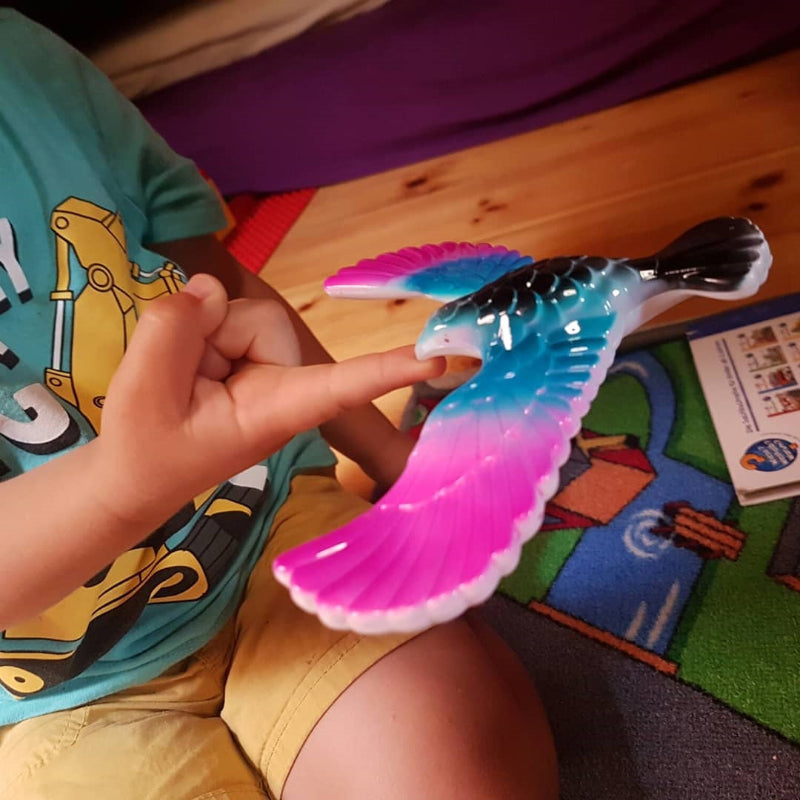
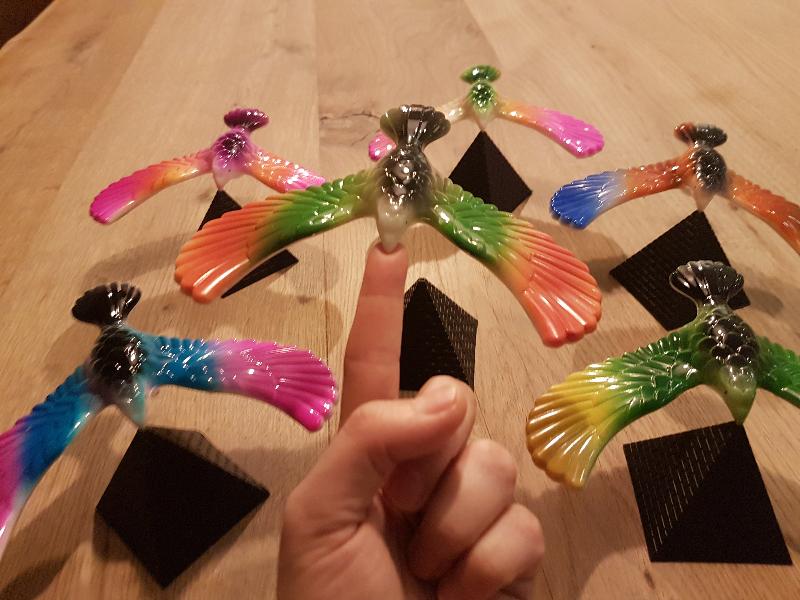
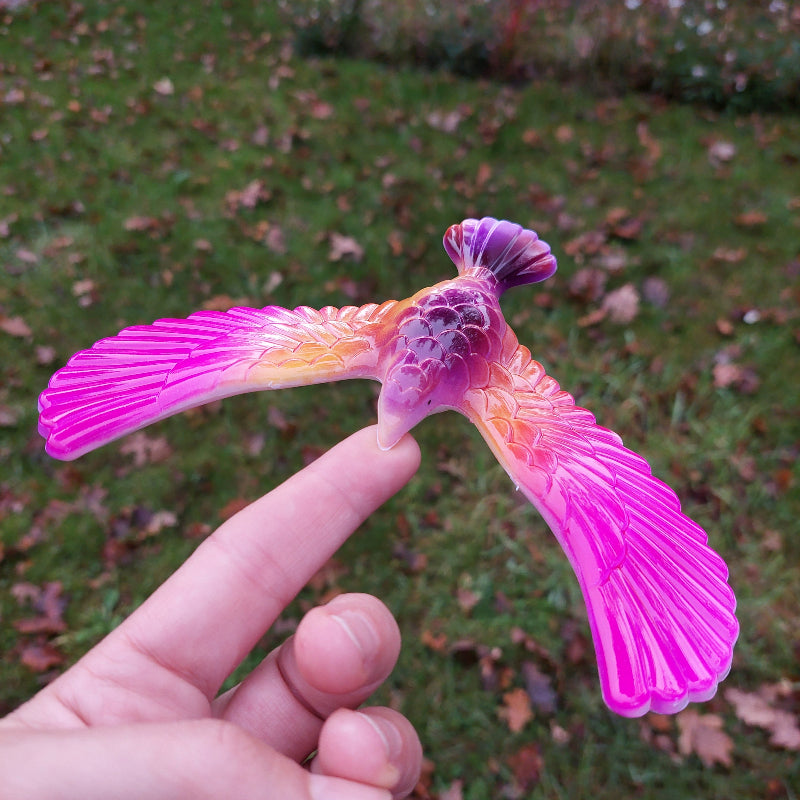
The balance finger bird, on the other hand, provides a targeted sensory stimulus. The bird sits on the finger of the hand that is not being pricked. The light, pinpoint pressure of the beak on the skin provides a clear, palpable sensation. By looking at the bird and feeling the pressure, attention shifts from the other arm. This combination of seeing and feeling supports attention shifting and helps with emotion regulation.
In a hospital that tested the sets, the birds proved to be a hit at the injection clinic: "The finger birds are often used during blood draws in the hospital. Because the child is so focused on one hand, an injection can be given in the other arm."
Additional products in the distraction sets
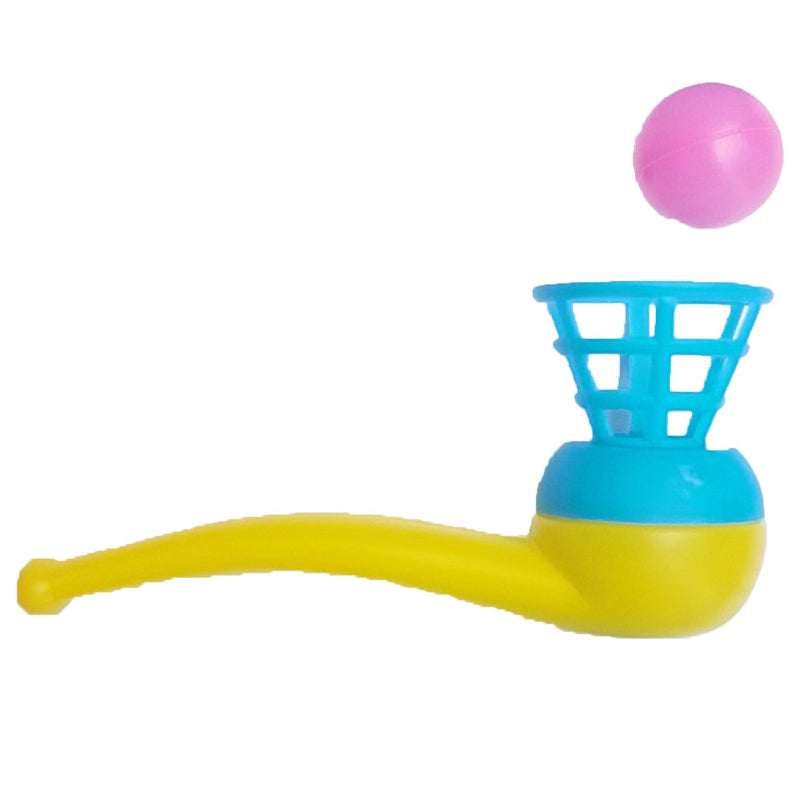
By gently blowing, the pinwheel starts to move, and attention immediately shifts to its rotation. This simple action – inhaling, exhaling, and watching – helps regulate tension. The rhythmic movement of the pinwheel gives the eye something to follow, while blowing encourages the body to breathe more calmly. This creates focus, distraction, and a sense of control in a low-threshold way.
The blowing top gyro acts as a targeted and active form of distraction. By blowing in a controlled manner, the top starts to spin – and for older children, this requires a little more technique and dosage. This challenge ensures that attention completely shifts to the spinning, the tempo, and keeping the top balanced. It requires concentration, breath regulation, and perseverance. As the eye follows the spinning motion, a distance is created from tension or discomfort. Thus, the blowing top not only provides visual distraction but also a sense of control and success.
Chain links are simple and tactile toys that keep children engaged and stimulate their senses. The chain links can be easily held even by the youngest children. The links can be attached to each other, but also to the hospital bed, for example. It’s quite a challenge for small hands to detach them again, providing perfect distraction. “I always carry a few links with me. So handy to quickly give children something to occupy themselves with. Also great for attaching things. I wouldn't want to be without them.”
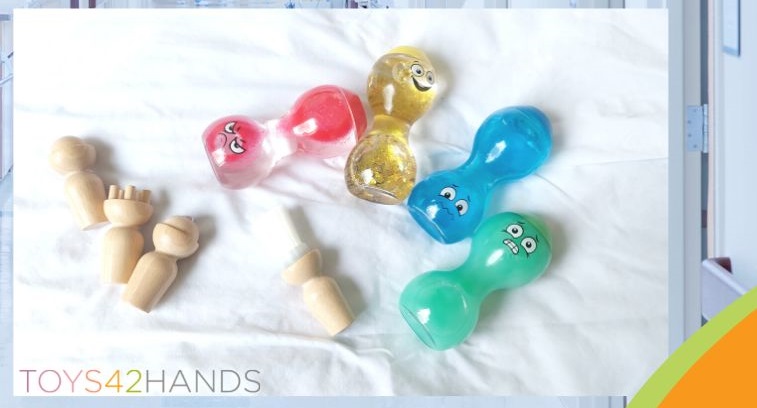
The set of four emotion sensory bottles helps children become aware of and express their emotions. Whether they are happy, sad, scared, or angry, these enchanting bottles help children practice self-awareness, self-management, and social awareness. The child-safe bottles are permanently sealed and easy for small hands to grasp and manipulate. Each bottle is printed with a facial expression and filled with liquid and material to create a flowing action that represents the emotion.
A stress ball is a simple but powerful way to regulate tension during a stressful moment. By consciously squeezing, rolling, or kneading, attention shifts from what is happening to what the body feels. This targeted action helps to interrupt thoughts and shift focus. Repeatedly squeezing the ball provides deep pressure in the palms. This proprioceptive input – the stimuli from muscles and joints – supports the body in processing tension. This deep pressure has an organizing effect on the nervous system and can help reduce restlessness. Thus, a stress ball not only provides physical release but also a sense of control. It is an accessible tool that actively involves children in their own regulation and helps them to better cope with a treatment or stressful moment.
A lava timer, helix timer, or hourglass can be a powerful visual anchor when a child needs to stay still. The fluid movement of falling droplets, rotating spirals, or flowing sand automatically draws attention. The eye follows what moves – and precisely there, the focus shifts. When the gaze follows the calm, predictable movement, the nervous system is offered a clear and organized stimulus pattern. This helps to regulate tension and reduces the tendency to move out of restlessness. The child doesn't have to do anything, just watch. This form of visual distraction is accessible and effective, especially during medical procedures or other situations where staying still is important. Attention shifts from the tense moment to the rhythm of the movement, leading to more calm and a greater sense of control.
Distraction and relaxation during medical procedures
Research shows that tension, anxiety, and pain can decrease when children are purposefully distracted and helped to relax. Especially in young patients, fear of a treatment often amplifies the perception of pain. Anxiety and pain then blend together, causing the body to react with extra alertness and tension.
When a child can shift their attention to something calming or engaging during a treatment, the experience changes noticeably. By focusing on a visual stimulus, a breathing activity, or a simple action, the nervous system gets a chance to calm down. This leads to more relaxation in the body and a more positive experience of the moment.
Our carefully curated distraction and relaxation sets for hospital use support healthcare professionals in this. They offer accessible materials that help regulate tension, experience control, and make the treatment less burdensome for the child.

Indispensable material for every pediatric ward or outpatient clinic
A versatile selection of distraction and relaxation materials for young patients is handy to have on hand. By using these materials, children can relax, be distracted during treatments, and better regulate and express their emotions. This leads to a more positive hospital experience.

Customization in distraction sets
The sample sets have been carefully compiled and provide a good overview of the possibilities. At the same time, I understand that every department, target group, and situation is different. Therefore, the contents and quantities of the sets can always be adjusted.
Whether it's for a specific age group, a particular type of treatment, or a preference for visual, tactile, or breath-focused materials – I am happy to help. Together, we will put together a set that suits your practice, working methods, and needs. This way, you get a distraction package that truly supports the workplace and is appropriate for the children you care for.
The hospitals that tested the sets quickly found them indispensable. Are you also enthusiastic? Contact us via info@toys42hands.nl for more information about our distraction and relaxation sets for children in the hospital.


Ik zou graag wat meer informatie en een prijsindicatie willen van deze sets. Zijn er ook leeftijdscategorieën bv?
Met vriendelijke groet, Liesbeth Hillebrand.
Leave a comment